
“What do we do with the ash?” is a question buyers often ask late – sometimes after the incinerator is already installed. It should be planned from day one, because ash handling affects your site layout, permit and operating cost.
How Much Ash Does an Incinerator Produce?
Incineration reduces waste volume by about 90% and weight by about 70–80%, depending on the waste. The remaining ash depends on how much non-combustible material is in the waste:
| Waste type | Typical residue | Notes |
|---|---|---|
| Animal carcasses | Small – mainly bone ash | Bones may need a longer burn |
| Medical waste | Moderate – ash, glass, needles | Metal sharps remain as sterile scrap |
| Municipal solid waste | Higher – ash, glass, metal, stones | Sort out metal and glass first if possible |
| Paper, cardboard, wood | Very small | Easy to handle |
Two types of residue are produced:
- Bottom ash – what remains on the hearth or grate.
- Fly ash – fine particles caught by the flue gas treatment system (cyclone, bag filter or scrubber).
Need an incinerator for solid waste?
We manufacture solid waste incinerators and recommend a model from your waste type, daily volume, fuel and local emission requirements. Send your details for a quotation.
All IncineratorsRequest a QuoteIs Incinerator Ash Hazardous?
Bottom ash from well-burned animal or general waste is generally inert. Medical waste ash and fly ash need more care: studies of hospital incinerator ash (for example a 2023 review in the Journal of Water and Health) found heavy metals such as lead, cadmium and chromium, with higher levels when combustion was poor. Fly ash concentrates metals and is usually classed as hazardous.
What this means in practice:
- Burn completely. Unburned material in ash is a sign of low temperature or overloading. Good burnout = cleaner, smaller ash.
- Keep fly ash and bottom ash separate.
- Follow local rules. Many countries require medical waste ash to go to a lined landfill or a sealed ash pit.
Ash Pit or Landfill?
For remote clinics and small hospitals, an on-site ash pit is common. PATH’s Incinerator Guidebook recommends:
- A pit sized for at least 5 years of ash
- Concrete, block or brick walls with a water-resistant floor
- The bottom of the pit above the maximum water table
- A lockable cover and location next to the incinerator, protected from flooding
Larger facilities usually collect ash in sealed drums or bags and send it to a licensed landfill.
How Ash Is Removed From the Incinerator
How ash comes out depends on the design:
- Ash door and rake – for small batch units; remove ash when the chamber is cold, usually daily.
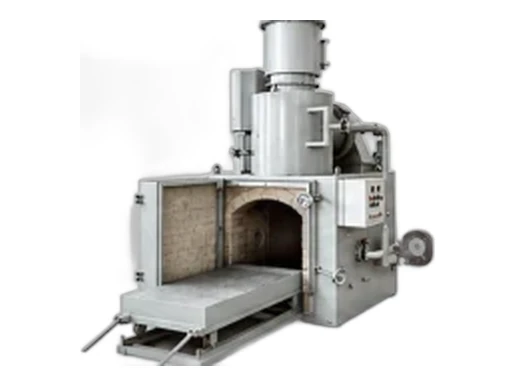
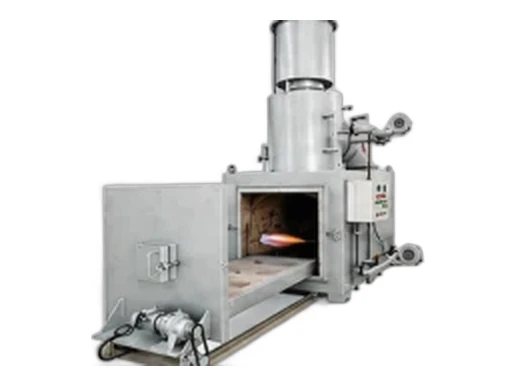
- Moving hearth – the hearth pulls out (manually or automatically) so ash and bones can be removed easily. Ideal for animal carcasses.
- Automatic ash discharge – for continuous-feed systems processing tons per day.
Safety When Handling Ash
- Wait until the chamber has cooled. Hot ash can burn for hours.
- Wear a respirator, goggles, heat-resistant gloves and boots.
- Dampen dry ash slightly to avoid dust.
- Never leave ash in open piles where animals or people can reach it.
Need Easy Ash Removal?
Tell us your waste type and daily volume – we’ll recommend a hearth and ash-removal design that fits your site.
FAQ
How often do I need to remove ash?
Small batch incinerators are usually cleaned daily before the first burn. Continuous systems with automatic ash discharge are emptied as the ash bin fills.
Can incinerator ash be used as fertilizer?
Not recommended for medical or municipal waste ash, which can contain heavy metals. Pure animal bone ash is sometimes reused, but check local regulations first.
Why is there unburned waste in my ash?
Usually overloading, wet waste, too short a burn cycle or low temperature. Reduce load size, extend burn time and check the burner and air supply.
Do needles and syringes melt in the incinerator?
Plastic parts burn, but steel needles remain as sterile metal. They should be collected from the ash and disposed of as sharps scrap according to local rules.