
Before buying an incinerator, it helps to know why others failed. Public audits and field surveys tell a consistent story. Rwanda’s Auditor-General found several hospital incinerators that “did not work from installation”, one where the secondary chamber failed and medical waste piled up, and others emitting heavy black smoke. A survey cited in PATH’s Incinerator Guidebook found widespread deficiencies in design, construction, siting, operation and management of small incinerators.
Here are the 8 lessons buyers can take from these projects.
1. The Unit Was Too Small or Too Simple for the Waste
Single-chamber or undersized units cannot burn plastic-rich modern medical waste cleanly. Lesson: describe your real waste – daily kg, plastic %, moisture – and buy a dual-chamber unit sized with a margin.
Need an incinerator for medical waste?
We manufacture medical waste incinerators and recommend a model from your waste type, daily volume, fuel and local emission requirements. Send your details for a quotation.
Medical Waste IncineratorsRequest a Quote2. The Secondary Chamber Was Weak
In Rwanda, the failed part at one university hospital was the upper secondary chamber – the part that burns the smoke. Lesson: ask about secondary chamber refractory thickness, burner capacity and the residence time calculation.
3. Poor Materials and Fabrication
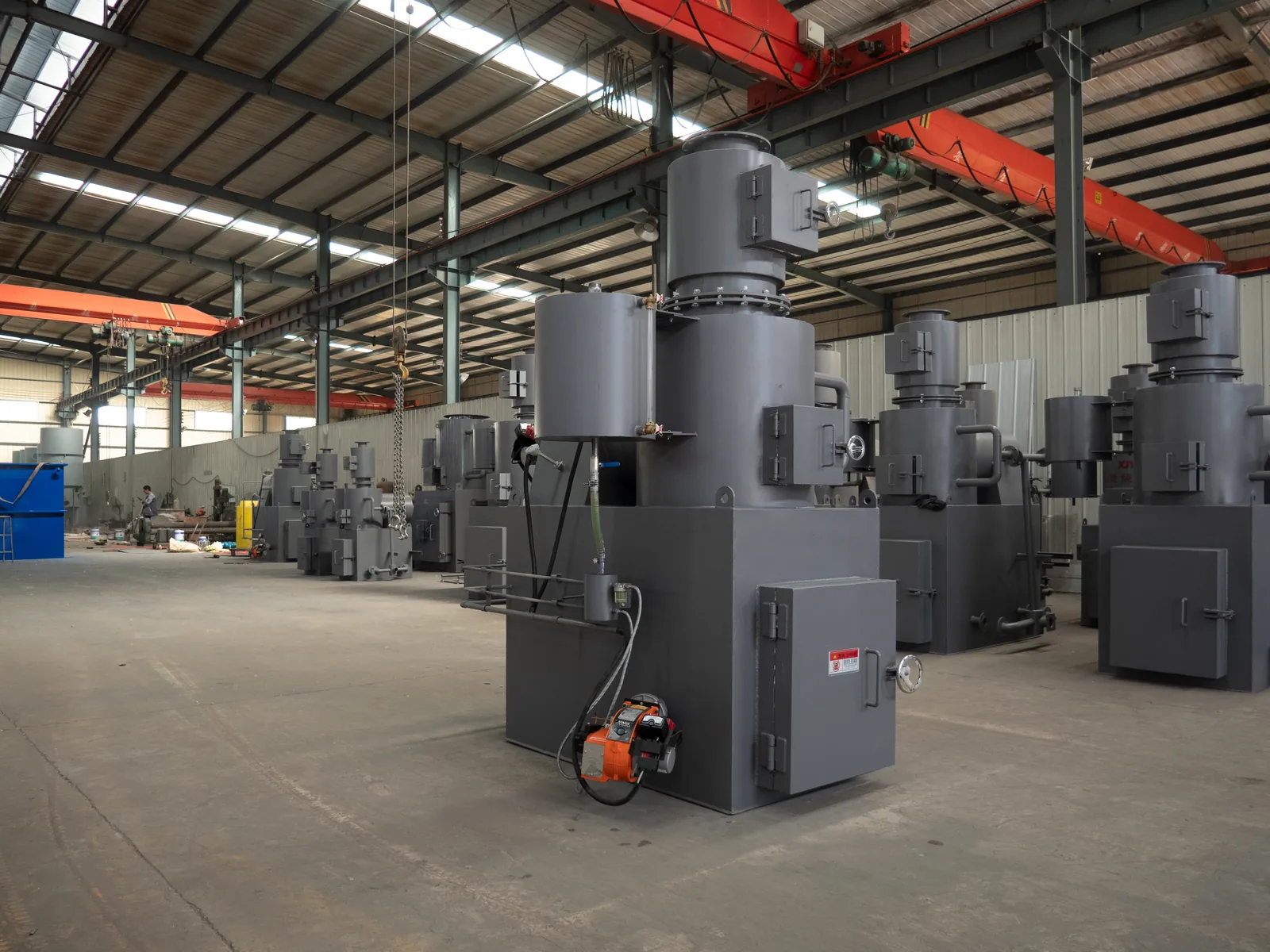
Field reports mention weak construction materials, poor metalwork and builds that did not follow the drawings. Lesson: ask for factory photos, steel plate thickness, refractory grade and a pre-shipment inspection or video.
4. Missing Temperature Control
PATH’s guide notes one model in Haiti had no temperature gauge at all – operators had no way to know whether waste was being destroyed. Lesson: require thermocouples in both chambers and a display, ideally with PLC control that prevents loading when cold.
5. Equipment Delivered But Not Installed
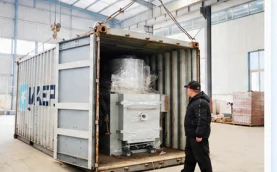
One Rwandan project’s equipment was delivered in 2011 and still not fully installed in 2014; parts were damaged and had to be replaced. Lesson: agree the site preparation and installation plan before shipment, and include installation supervision in the contract.
6. Operators Were Not Trained
Insufficient hands-on training was a repeated finding. Operators who load cold furnaces, overload them or skip preheating will produce smoke with any machine. Lesson: require on-site training, a written operating procedure, and refresher training after about a year.
7. No Maintenance Budget
Burner nozzles, filters, grates and refractory need regular care. Without a budget for spare parts, units stop after the first breakdown. Lesson: buy a 2-year spare parts kit with the incinerator and keep a maintenance log. See our maintenance checklist.
8. No Gas Cleaning Where Neighbours Are Close
Most of the Rwandan units lacked filters, and an Alabama facility closed its incinerator after residents complained about black smoke. Lesson: if the site is near homes, schools or wards, plan flue gas treatment from the start. See dry vs wet flue gas treatment.
Pre-Purchase Checklist
- Dual-chamber design with secondary burner
- ≥ 850°C and ≥ 2 s residence time in the secondary chamber
- Temperature display in both chambers, PLC control
- Refractory grade and thickness stated
- Flue gas treatment suitable for your site
- Installation supervision and commissioning included
- On-site operator training + manuals
- 2-year spare parts list and warranty
- Reference projects in similar countries

Avoid These Mistakes – Talk to an Engineer First
Send us your waste data and site photos. We’ll check what you need before you buy, not after.
FAQ
What is the most common reason incinerators fail?
A combination of wrong sizing, weak secondary chamber design and lack of operator training and maintenance. These are mostly decided before purchase.
Can you inspect or video the incinerator before shipment?
Yes. You can visit the factory, appoint a third-party inspector, or request a live video inspection and test fire before shipment.
Do you help with installation abroad?
We provide foundation drawings, installation manuals and remote video guidance, and can arrange engineer supervision on site depending on the project.
How long is the warranty?
Warranty terms depend on the model and project; please ask for the warranty statement with your quotation so you can compare suppliers fairly.