
Good site preparation means your incinerator can be installed and running within days of arrival instead of weeks. Use this checklist while your unit is in production.
Looking for equipment? Compare our incinerators for sale or see our industrial waste incinerators, built and tested in our own factory since 2009.
1. Location
- Downwind of homes and offices where possible
- Easy truck and forklift access for delivery
- Space for waste storage, ash handling and maintenance
- Check any distance requirements in your local permit
Need an incinerator for solid waste?
We manufacture solid waste incinerators and recommend a model from your waste type, daily volume, fuel and local emission requirements. Send your details for a quotation.
All IncineratorsRequest a Quote2. Foundation
A level reinforced concrete pad sized to the incinerator footprint and weight. Your supplier should provide a layout drawing with weights and anchor points – for example, an SMWI-300 weighs about 16.5 tons.
3. Shelter
A roof protects the control panel, burners and operators from rain. Leave enough height for the chimney and for opening the door.
4. Chimney
Confirm chimney height and diameter from the specification (e.g. 6–12 m for MWI models) and any local height rules. Plan guy wires or supports.
5. Utilities
| Utility | Check |
|---|---|
| Power | Voltage (220/380 V), frequency (50/60 Hz), phase |
| Fuel | Diesel tank or gas/LPG supply to burners |
| Water | Required for wet scrubber systems |
| Drainage | For wet systems’ circulating water |
6. Delivery and Unloading
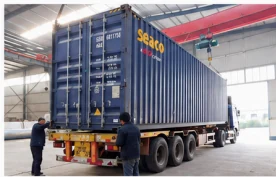

Arrange a crane or forklift of suitable capacity. Check container dimensions against site access.
7. Commissioning and Training
- Mechanical installation and chimney erection
- Electrical and fuel connection
- Dry run of fans and burners
- First firing and temperature checks
- Operator training on loading, temperature control and maintenance
Do you send engineers for installation?
We provide installation drawings, guidance and operator training, and on-site engineer service can be arranged depending on the project.
Permits and Approvals
Before installation, check what your local authority requires. Common requirements include an environmental permit, approval of the chimney height and emission standard, building permission for the shelter and fire safety approval for fuel storage. Requirements vary by country and by waste type, especially for medical waste. Your supplier can provide technical documents, drawings and emission data to support your application.
Planning the Layout
A good layout makes daily operation safe and efficient. Plan a clear route for waste delivery, space to store waste before burning, room to open doors fully, access for ash removal and a safe distance from buildings and fuel storage. Leave space around the unit for maintenance. Keep clean and dirty areas separate, especially for medical and animal waste.
Typical Installation Timeline
- Site survey and layout approval
- Foundation and shelter construction
- Delivery and positioning of the incinerator
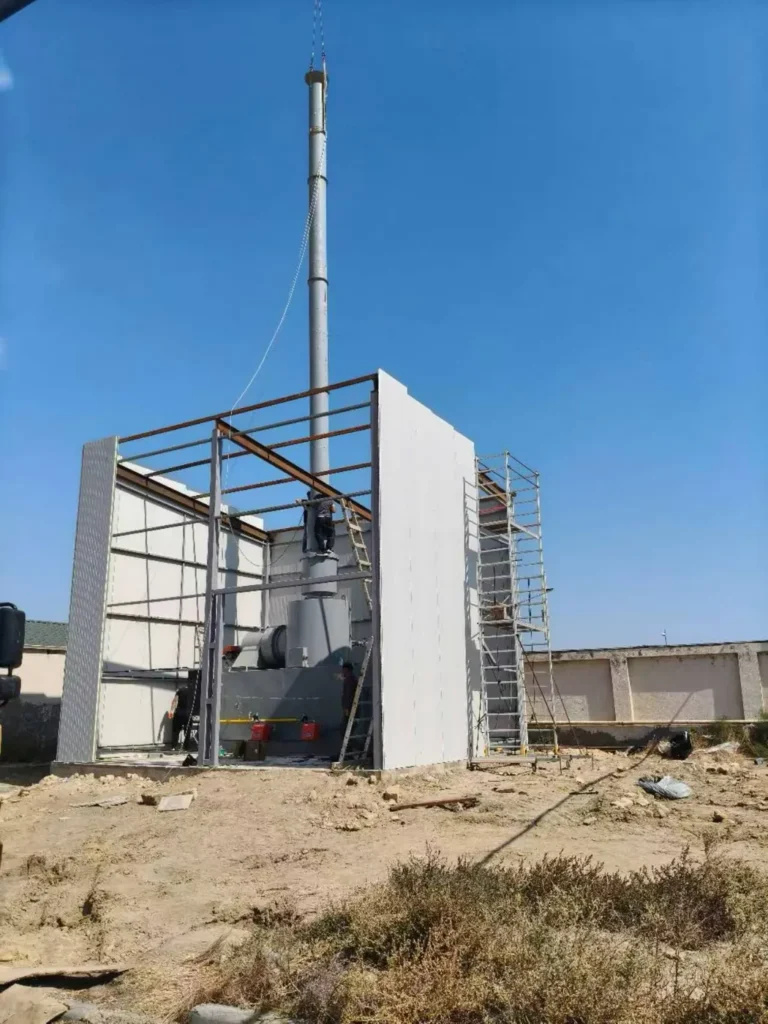
- Chimney and flue gas system assembly
- Electrical and fuel connections
- Cold tests, then heat-up and curing of refractory
- Hot commissioning and operator training
Building the foundation and utilities while the unit is being manufactured shortens the overall project time.
Remote Installation Support
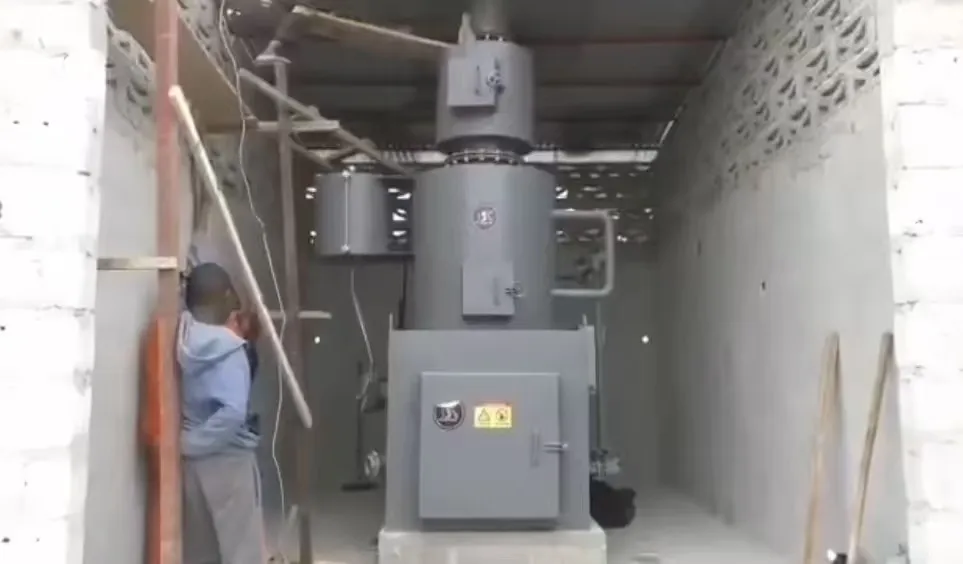
For export projects, installation is often done by the buyer’s local team with guidance from the manufacturer. We provide installation drawings, foundation details and step-by-step guidance, and can support commissioning and training. For overseas buyers, our guide on how to import an incinerator from China covers shipping and customs.
Planning Your Installation?
Request layout drawings and a site checklist with your quotation.