

Is There a Truly Smokeless Incinerator? What “Smokeless” Really Means
Many suppliers sell a “smokeless incinerator”. Learn what smokeless really means, the design features that prevent visible smoke, and how to check a supplier’s claim.
Many suppliers sell a “smokeless incinerator”. Learn what smokeless really means, the design features that prevent visible smoke, and how to check a supplier’s claim.
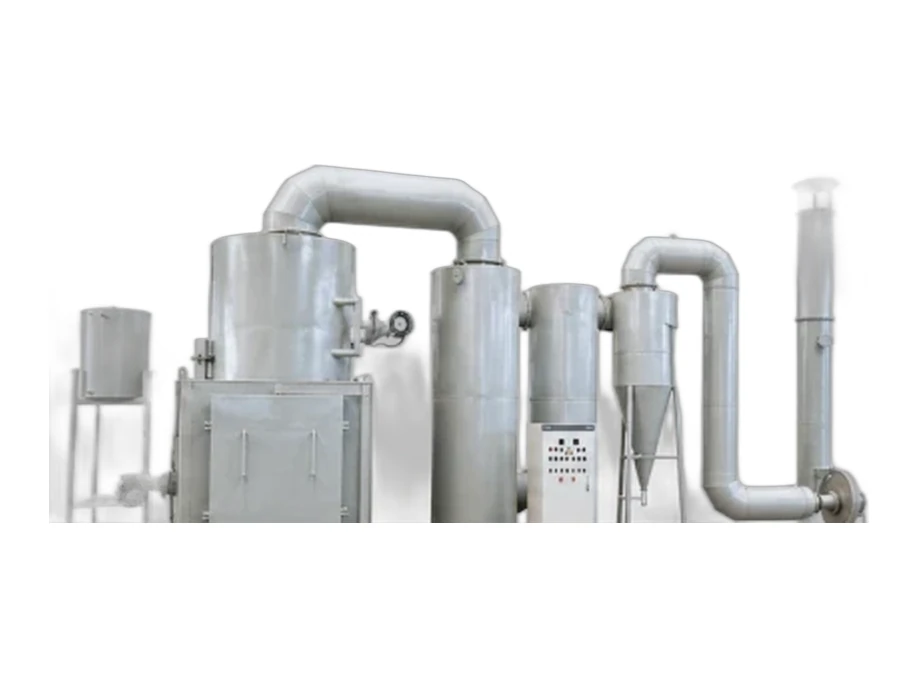
Do you need an incinerator with a wet scrubber? How venturi scrubbers remove acid gases and dust, when they are required, water and maintenance needs, and model options.
What is the difference between a trash burner or garbage burner and a real incinerator? Temperature, smoke, emissions, legality and when to upgrade to a dual-chamber incinerator.
A step-by-step daily operating procedure for incinerator operators: preheating, loading, burn-down, ash removal, PPE and record keeping – plus common operator mistakes.

Can you burn glass vials, PVC, batteries, mercury thermometers or pressurized cans in an incinerator? A clear list of accepted and prohibited waste, and why it matters.
How much ash does an incinerator produce, is it hazardous, and how should you remove and dispose of it? A practical guide for hospitals, farms and municipalities.
Black smoke from an incinerator means incomplete combustion. Learn the 7 most common causes – from overloading to a cold secondary chamber – and how to prevent them.

How much fuel does an incinerator use? Understand burner consumption figures, how waste moisture affects fuel use, and how to choose between diesel, natural gas and LPG.

Batch-load or automatic continuous feeding? Compare capacity, labour, fuel efficiency, temperature stability and cost to choose the right incinerator feeding system.
Why the furnace wall matters: steel plate, insulation cotton, insulating brick and refractory brick explained – plus door linings, outer wall temperature and what to ask suppliers.

A practical incinerator maintenance checklist covering daily ash removal and burner checks, weekly fan and seal inspections, and annual refractory and chimney maintenance.
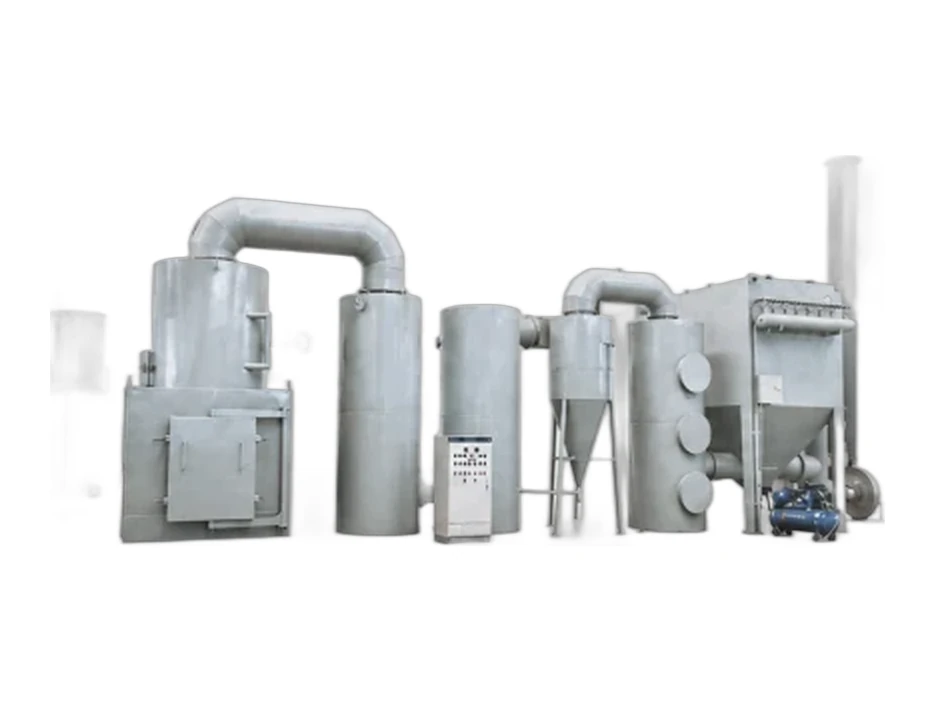
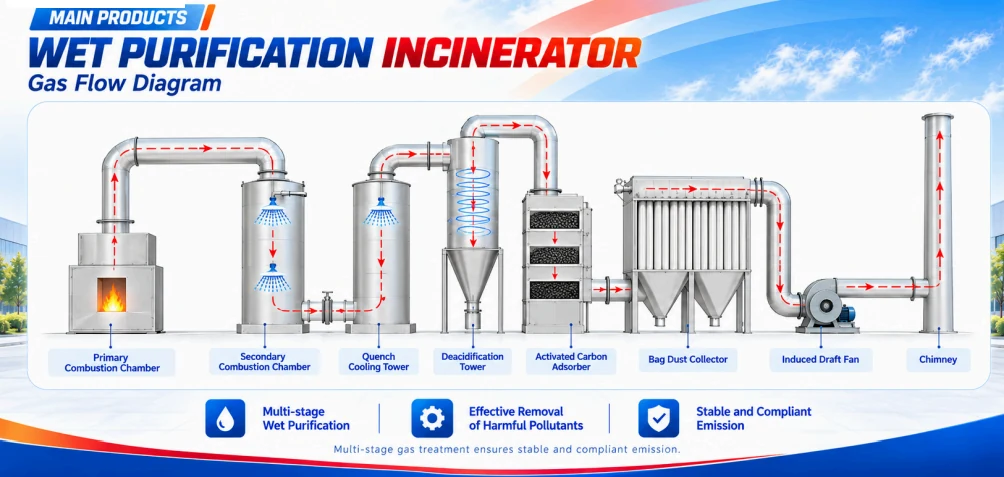
How do incinerators control dioxins and furans? Learn the 3T rule (temperature, time, turbulence), rapid quench cooling, activated carbon injection and bag filtration.