
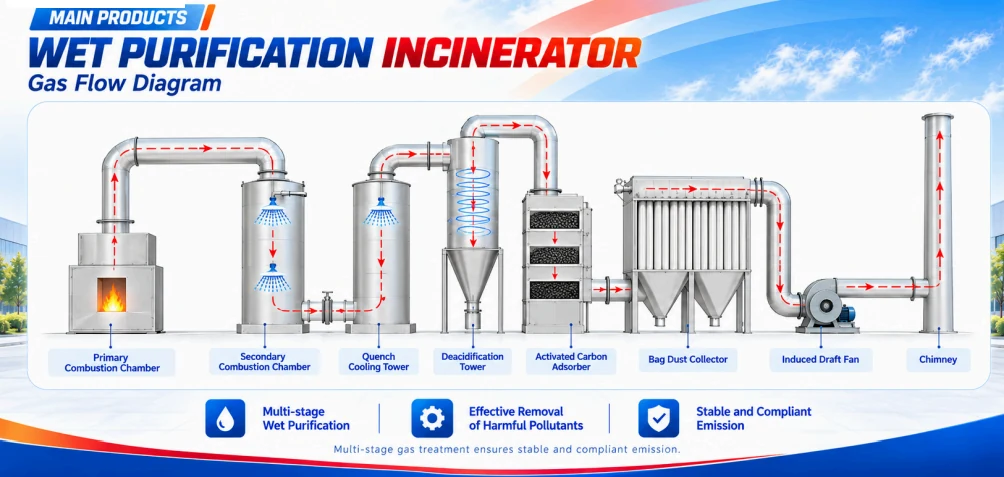
Why Is My Incinerator Producing Black Smoke? 7 Causes and How to Fix Them
Black smoke from an incinerator means incomplete combustion. Learn the 7 most common causes – from overloading to a cold secondary chamber – and how to prevent them.
Black smoke from an incinerator means incomplete combustion. Learn the 7 most common causes – from overloading to a cold secondary chamber – and how to prevent them.

Avoid costly mistakes: 15 questions to ask any incinerator manufacturer about combustion performance, emissions, build quality, testing, shipping and after-sales support.

How much fuel does an incinerator use? Understand burner consumption figures, how waste moisture affects fuel use, and how to choose between diesel, natural gas and LPG.
Buying an incinerator from a Chinese manufacturer? Follow these steps: supplier checks, technical proposal, factory inspection and burning test, packing, shipping and installation.
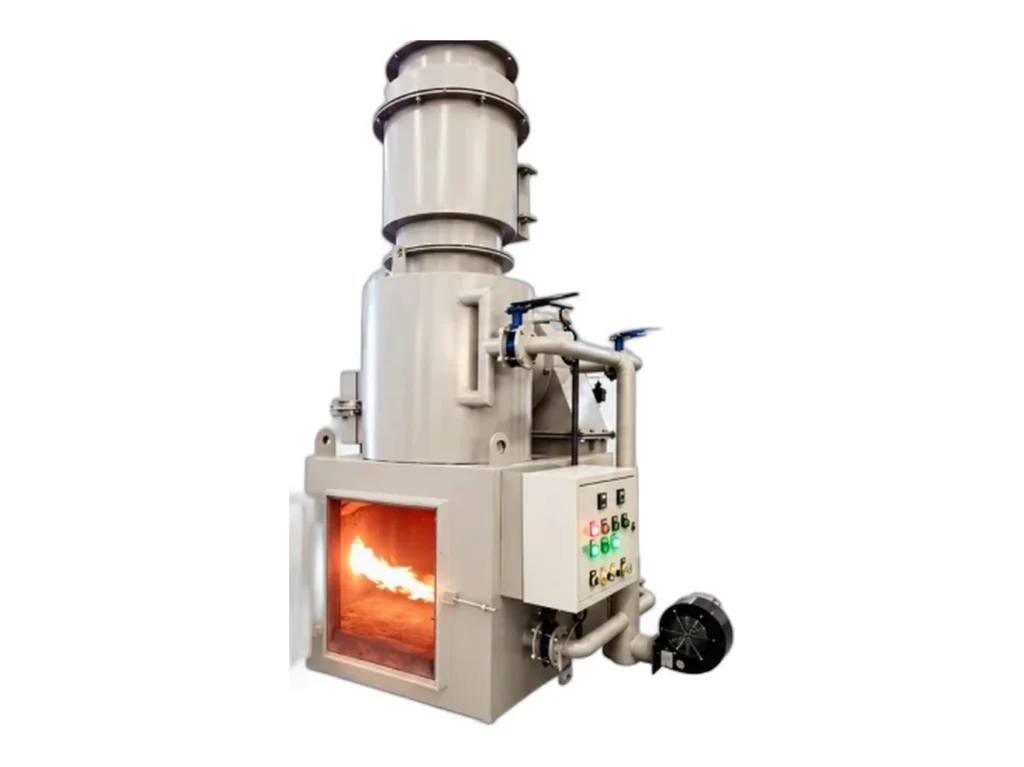
Incinerator or autoclave for hospital waste? Compare which waste types each can treat, volume reduction, residues, emissions, cost and when to use both.

How small towns and counties use 10–30 tons per day incineration systems with flue gas treatment – planning steps, system components and real projects in China.

Batch-load or automatic continuous feeding? Compare capacity, labour, fuel efficiency, temperature stability and cost to choose the right incinerator feeding system.
Prepare your site before the incinerator arrives: location, foundation, shelter, chimney, fuel, power, water and waste storage – plus what happens during commissioning.

Why the furnace wall matters: steel plate, insulation cotton, insulating brick and refractory brick explained – plus door linings, outer wall temperature and what to ask suppliers.

A practical incinerator maintenance checklist covering daily ash removal and burner checks, weekly fan and seal inspections, and annual refractory and chimney maintenance.
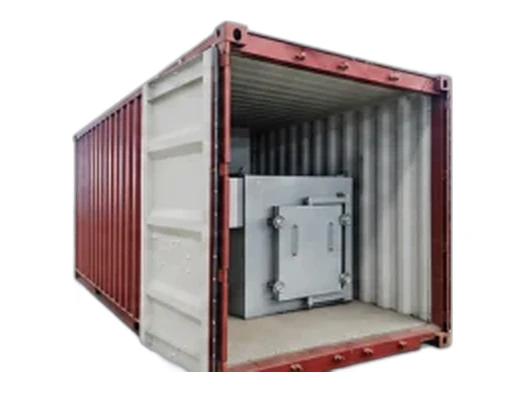
How mining camps, construction sites, oil and gas camps and islands manage waste with compact, mobile and containerized incinerators – sizing, fuel, power and logistics.
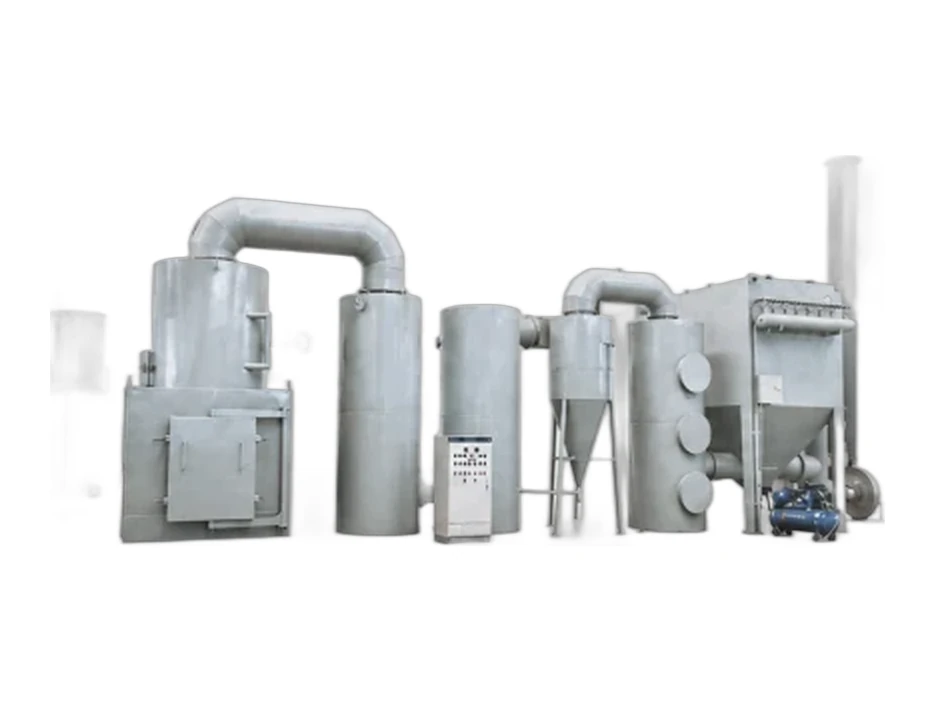
How do incinerators control dioxins and furans? Learn the 3T rule (temperature, time, turbulence), rapid quench cooling, activated carbon injection and bag filtration.